In this guide7 sections
The move itself gets all the planning. Then moving day ends, a parent is settled into assisted living, and the family is left holding a full, quiet house. The weeks that follow are easier when you know which jobs can wait and which ones cannot. Here is how we think about that stretch, one step at a time.
The first two weeks: only what matters
Give the family permission to leave the house full for now. Nobody has to empty a closet this month. What does need attention right away is a short list:
- Forward the mail to whoever is handling your parent's bills
- Tell the insurance company the home is unoccupied, and ask what the policy requires
- Keep the heat at a safe minimum and the water heater on, or have the plumbing winterized
- Ask a neighbor or relative to check the house every week, inside and out
- Take out perishable food and unplug what does not need to run
Keep the house safe while it sits
In a Western Pennsylvania winter, an unheated house with plumbing is a burst pipe waiting to happen. Keep minimum heat on until the long-term plan is settled, and look at the basement after every hard freeze or heavy rain.
An empty house can also look empty from the street. A lamp on a timer, a shoveled walk and mail that does not pile up go a long way. If valuables, firearms or important papers are still inside, move them to a family member's home or a safe deposit box now rather than later.
Bring the right things to the new home
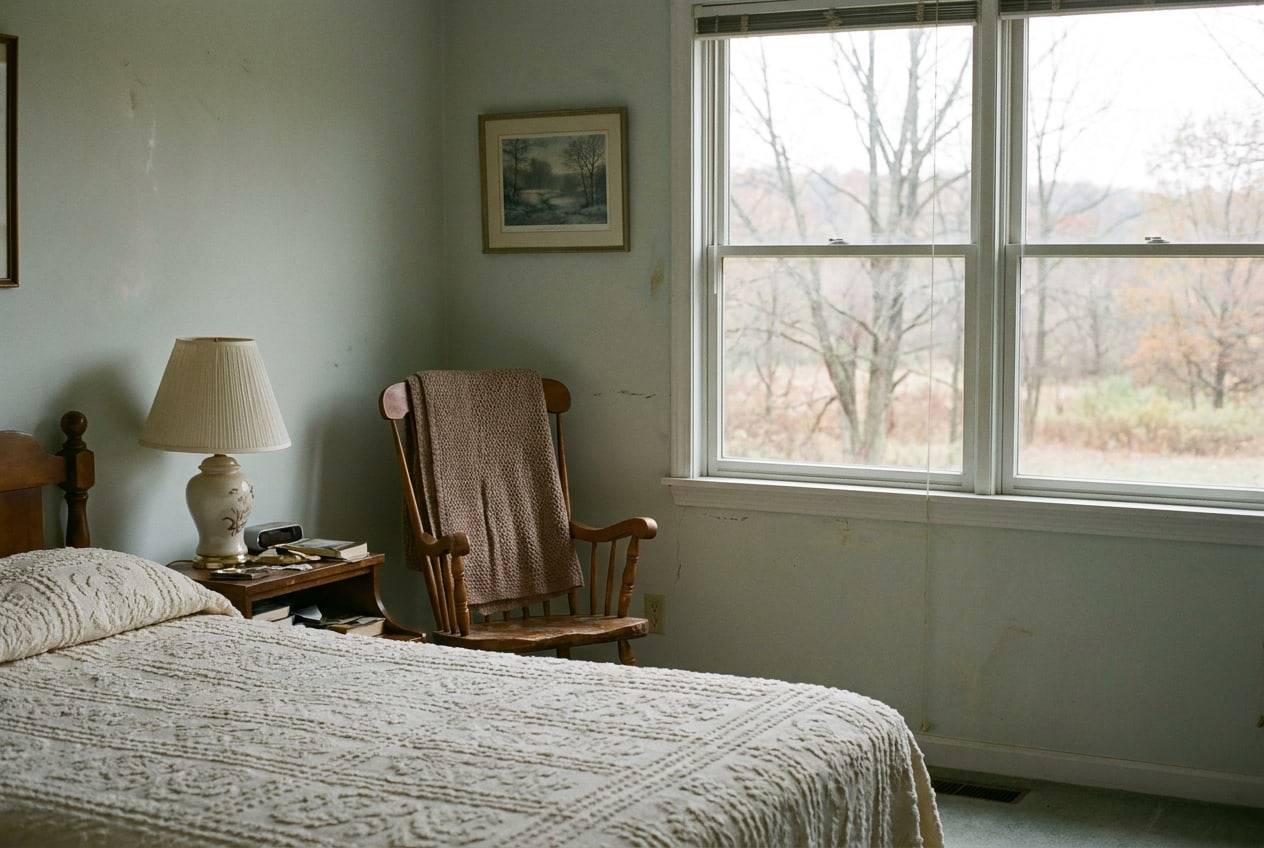
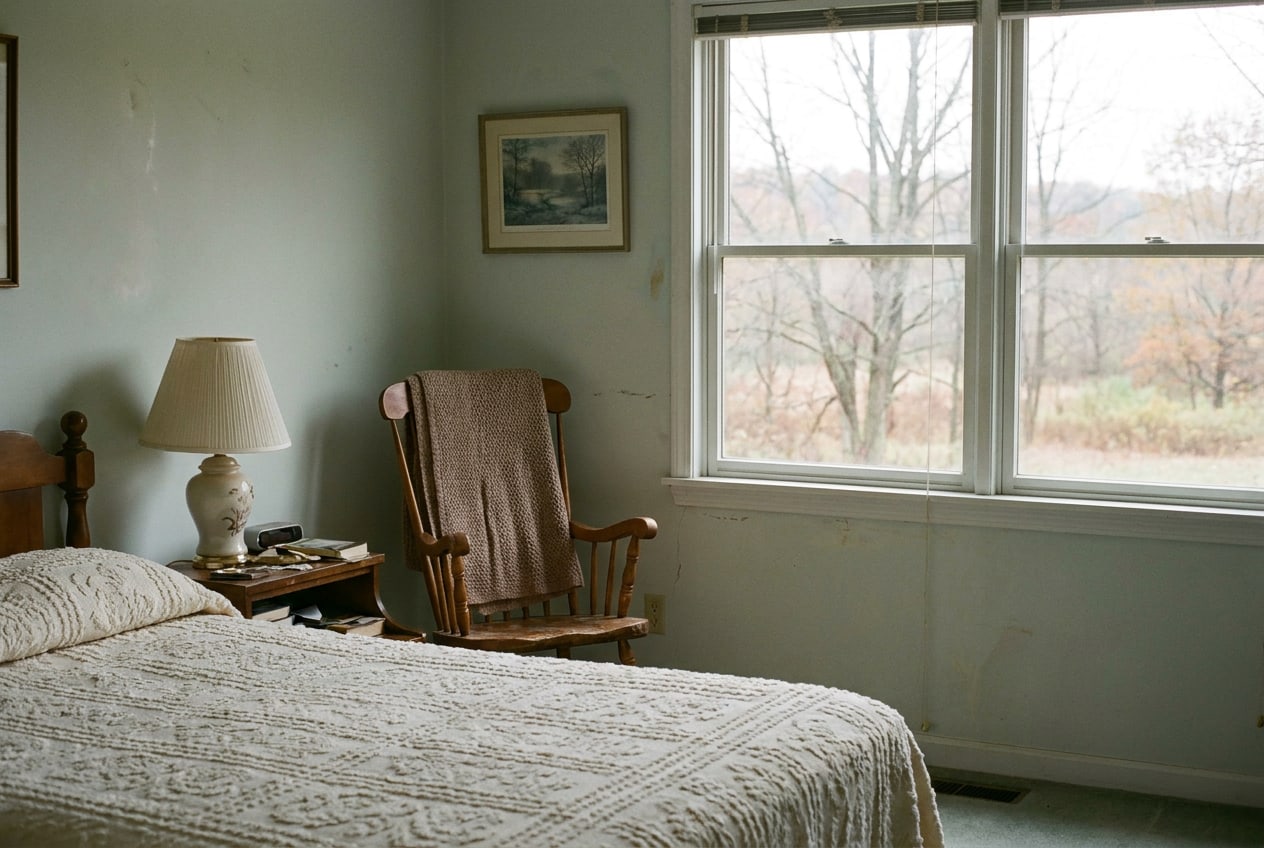
The first month in assisted living goes better when the new space feels familiar. The things that matter most are small: the bedside lamp, the everyday coffee mug, the photographs, the blanket from the reading chair. A familiar lamp does more for the first week than a matching bedroom set.
Plan a second, calmer trip two or three weeks in. Once your parent has lived in the new space, they will know what is missing, and it is rarely what anyone predicted. Often it is a particular sweater, a radio, or the small step stool from the kitchen.
Talk with your parent before deciding about the house
For many parents the house is the last piece of the life they had before the move. Even when everyone agrees it will be sold, how and when that happens matters to them. Ask what they want saved, and who they hope will get the things they care about.
Some parents want to walk through one last time. Others would rather not see it empty. Both are fine. If your parent cannot visit, a video call from each room lets them point at what should go to whom, and those choices become the Family list.
The three paths for the house
Most families are choosing between selling, renting and keeping the home in the family. Each sets a different pace for the belongings inside:
- Selling: the house needs to be cleared, cleaned and repaired on the realtor's schedule, usually the fastest and firmest timeline
- Renting: similar clearing work, plus decisions about storage, repairs and who answers the tenant's calls
- Keeping: the gentlest timeline, but give it an end date, because an unmanaged house gathers cost and risk
If the house is going to be sold
Sort with the six words before the realtor's dates arrive: Keep, Family, Sell, Donate, Remove and Not sure. Then follow the order in preparing an inherited home for sale, which works the same way for a parent who is still living.
Before you list, check with whoever handles your parent's finances. The timing of a sale can affect how care is paid for, and an elder law attorney or financial advisor can tell you what to watch for.
Our market-ready preparation service runs the clearing, cleaning and small repairs against the realtor's calendar, so the family is not managing five separate jobs from a distance.
Doing it from another city
Adult children managing a parent's home from hours away carry the heaviest version of this work, because every task needs a trip. Our family portal was built for this. Decisions get made from anywhere, every sibling sees the same progress, and one local contact handles the physical work.
Our complete home transition service covers the whole stretch, from the first look at the house to the last sweep. If you want numbers first, start with the address and see a planning range in about two minutes. The senior downsizing checklist is a good companion for the sorting itself.
Common questions
- What should we do with the house right after a parent moves to assisted living?
- Forward the mail, keep the heat and insurance in place, tell the insurer the home is unoccupied, and have someone check it every week. The belongings can wait until the family decides what happens to the house.
- What should a parent bring to assisted living?
- Small familiar things matter more than furniture: a bedside lamp, a favorite mug, photographs and a blanket from home. Plan a second trip a few weeks later for whatever they find they miss.
- Should we sell, rent or keep the house?
- Each path is reasonable, and each sets a different pace for clearing the house. If the family keeps it, give that choice an end date so the house does not sit unmanaged.
- How long can a house sit empty after a parent moves out?
- As long as it is heated, insured for vacancy and checked often, a few months is common while the family decides. Ask the insurer how long the policy covers an unoccupied home, since that often sets the real deadline.